

Your lipid barrier is the thin, protective shield on your skin's outermost layer. It might be the most important part of your skincare you've never thought about. When it's healthy, your skin feels calm, hydrated, and resilient. When it's damaged, everything falls apart. Dryness. Redness. Breakouts. That frustrating sensitivity where even your favorite products sting.
Here's how your lipid barrier works, how to spot the signs of damage, and how to restore it naturally.
What Is the Lipid Barrier?
So what is the lipid barrier, and what does "lipid barrier" even mean? Your skin lipid barrier (also called the skin barrier or moisture barrier) is a protective layer made of lipids. These are natural fats your skin produces on its own that sit on the outermost layer of your epidermis, the stratum corneum. They're made up of ceramides, cholesterol, and fatty acids.
Think of it like a brick wall. Your skin cells are the bricks. The lipids are the mortar holding everything together. Without enough mortar, the wall crumbles. Without healthy lipids, your barrier breaks down.
This is why lipids in skincare matter. When your skin can't produce enough on its own, the right topical ingredients can replenish what's missing and help your barrier rebuild.
What Does the Lipid Barrier Do?
Your skin's lipid barrier has three essential jobs.
It locks moisture in. Healthy barrier lipids prevent transepidermal water loss (TEWL). That's the process where water evaporates out of your skin cells. When your barrier is intact, your skin stays hydrated from within. Damage it, and no amount of moisturizer can keep up.
It keeps irritants out. Bacteria, pollution, and allergens are constantly trying to penetrate your skin. A strong barrier blocks them but a compromised barrier lets them through. That's why a damaged barrier often leads to sudden breakouts, redness, and reactions to products that never bothered you before.
It maintains your skin's pH balance. Your barrier supports the acid mantle, the slightly acidic film (around pH 5.5) on your skin's surface. This film helps beneficial bacteria thrive and keeps harmful microbes at bay. Disrupting your lipid barrier disrupts this balance, which cascades into inflammation and sensitivity.
Signs of a Damaged Lipid Barrier
Your skin is remarkably good at telling you when something is wrong. If your lipid barrier is compromised, you'll likely notice one or more of these signals.
Persistent dryness and flaking even when you're moisturizing regularly. Your barrier is failing to hold in moisture.
Redness and inflammation especially after cleansing or applying products that used to feel fine.
Stinging or burning when you apply a product and your skin lights up. This is the clearest sign your barrier is impaired. Irritants are reaching deeper layers.
Increased breakouts because a damaged barrier lets bacteria in. You can be doing everything "right" and still break out.
Tight, uncomfortable skin. That stripped feeling after washing your face? Your barrier is telling you it's been depleted.
Cracking and raw patches. In severe cases, especially after sun exposure, windburn, or extreme cold, your barrier can break down completely. Skin cracks, peels, or feels raw to the touch. UV radiation directly degrades the lipids that hold your barrier together. Sun damage is one of the fastest ways to destroy it.
Sound familiar? The good news: a damaged lipid barrier can absolutely be restored. Your skin wants to heal. It just needs the right support.
How to Repair and Restore Your Skin's Lipid Barrier
Repairing your lipid barrier isn't complicated but it does require patience. Your skin cells renew on roughly a 28-day cycle. Give yourself at least a month of consistent care before expecting dramatic results.
Simplify your routine. When your barrier is damaged, pare back to three essentials: a gentle cleanser, a barrier-supporting moisturizer, and sunscreen. Set aside active ingredients, exfoliants, and anything with fragrance for at least two weeks. They're too aggressive for compromised skin.
Choose a cleanser that doesn't strip. Foaming cleansers and sulfates can dissolve the very lipids you're trying to rebuild. A milk-based or oil-based cleanser removes dirt and makeup without compromising your barrier. Our Clarifying Milk Cleanse was formulated for exactly this. It deeply cleanses while respecting your skin's natural lipid layer.
Replenish barrier lipids topically. Look for moisturizers rich in ceramides, fatty acids, Vitamin B3 (niacinamide), and humectants like glycerine. These ingredients mimic and reinforce your skin's natural lipid structure. Mānuka honey is particularly effective here. Its 200+ bioactive compounds, led by methylglyoxal (MGO), calm inflammation and support your skin's natural repair process. It hydrates deeply without clogging pores.
Seal it in at night. Overnight is when your skin does its deepest repair work. A nourishing night treatment with ceramides and cold-pressed seed oils gives your barrier the building blocks it needs. Our Renewing Night Elixir pairs ceramides with mānuka oil for overnight barrier restoration.
For severe barrier damage, reach for a balm. When your skin is cracked, raw, or recovering from sun exposure, a lightweight moisturizer may not cut it. A thick, herbal-infused balm creates an occlusive seal. It stops moisture loss while your barrier rebuilds underneath. Our Botanical Relief Balm is herbalist-formulated for exactly these moments. Deeply soothing, intensely protective, and designed for head-to-toe barrier rescue.
Barrier Repair Essential
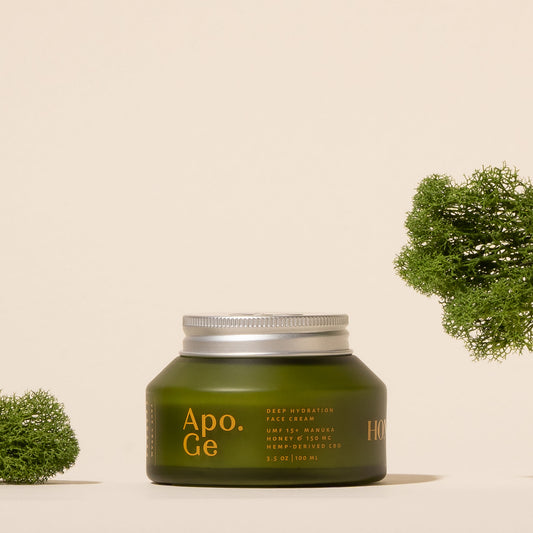
Deep Hydration Face Cream
Mānuka honey, kelp bioferment, niacinamide, and glycerine. Everything your lipid barrier needs to heal and hold moisture. Calms irritation, reduces breakouts, and deeply hydrates without heaviness.
Shop Deep Hydration Face CreamA Simple Ritual for Lipid Barrier Recovery
When your barrier is compromised, this three-step ritual gives your skin exactly what it needs. Nothing more, nothing less.
Morning: Cleanse gently with Clarifying Milk Cleanse. Follow with Deep Hydration Face Cream to lock in moisture and support barrier repair. Finish with SPF.
Evening: Cleanse again with Clarifying Milk Cleanse to remove the day. Seal everything in with Renewing Night Elixir. Ceramides and cold-pressed seed oils nourish your barrier overnight.
When things get serious: If your skin is cracked, peeling, or raw from sun exposure, apply Botanical Relief Balm generously to affected areas. The thick, herbal-infused formula creates a protective seal while soothing inflammation on contact. Use as often as needed until your skin calms down.
Stay consistent for 28 days. That's one full skin cell renewal cycle. Most people notice calmer, more resilient skin within the first two weeks. The full shift happens by week four.
Protecting Your Lipid Barrier Long-Term
Once your barrier has recovered, keeping it healthy is straightforward. A few principles:
Be gentle with your skin. Harsh cleansers, over-exfoliation, and too many active ingredients are the most common causes of barrier damage. If your skin feels tight or stripped after cleansing, your cleanser is too aggressive.
Hydrate from both sides. Humectant-rich products (like those with glycerine and Mānuka honey) pull water into your skin. Occlusive ingredients (like ceramides and seed oils) keep it from leaving. This inside-out, outside-in approach keeps your lipid barrier strong.
Pay attention to seasonal shifts. Cold weather, dry indoor heating, and air travel all stress your barrier. During these times, layer a richer evening treatment or add an extra step to your ritual.
Your lipid barrier works for you every moment of every day, even when you're not thinking about it. Honor that. Give it gentle cleansing, deep hydration, and the time-tested power of Nature's most bioactive ingredients.
Start Your Barrier Repair Ritual
The Essentials Set
Clarifying Milk Cleanse + Deep Hydration Face Cream + Renewing Night Elixir. The complete three-step ritual for barrier recovery. Everything your skin needs, nothing it doesn't.
Shop the Essentials SetWhat is a lipid barrier?
Your lipid barrier is the thin, protective layer of natural fats on your skin's outermost surface, the stratum corneum. It's made up of ceramides, cholesterol, and fatty acids that act like mortar between your skin cells. This barrier locks moisture in, keeps irritants out, and maintains your skin's pH balance at around 5.5. When it's healthy, your skin feels calm, hydrated, and resilient.
How do I know if my lipid barrier is damaged?
The most common signs of a damaged lipid barrier are persistent dryness even when you're moisturizing, redness or stinging when you apply products that used to feel fine, and increased breakouts. You may also notice tight, uncomfortable skin after cleansing. In severe cases, your skin can crack, peel, or feel raw to the touch, especially after sun exposure or extreme cold.
What repairs a damaged lipid barrier?
Repairing a damaged lipid barrier starts with simplifying your routine to three essentials: a gentle, non-stripping cleanser, a moisturizer rich in ceramides and fatty acids, and sunscreen. Look for ingredients that mimic your skin's natural lipid structure, including ceramides, Vitamin B3 (niacinamide), glycerine, and humectants. Avoid foaming cleansers, sulfates, exfoliants, and fragrance while your barrier heals. Your skin cells renew on roughly a 28-day cycle, so give yourself at least a month of consistent care.
Does mānuka honey help repair the lipid barrier?
Mānuka honey is particularly effective for supporting lipid barrier recovery. It contains over 200 bioactive compounds, led by methylglyoxal (MGO), which calms inflammation and supports your skin's natural repair process. It hydrates deeply without clogging pores, making it well suited for compromised skin that needs moisture without added irritation. High-grade mānuka honey (510+ MGO) delivers the strongest concentration of these bioactive compounds.
How long does it take to repair your lipid barrier?
Most people notice calmer, more resilient skin within the first two weeks of consistent barrier-focused care. The full shift happens by week four, which aligns with one complete skin cell renewal cycle of approximately 28 days. Severe barrier damage from sun exposure, over-exfoliation, or prolonged irritation may take longer. The key is consistency: a gentle cleanser, a barrier-supporting moisturizer with ceramides and humectants, and patience.