OUR HONEY

Mānuka honey soothes, protects, and restores your skin

Mānuka honey stands out among all other honey because of its antibacterial, antioxidant, and anti-inflammatory properties. With over 200 bioactive compounds, it is a unique ingredient that can deliver transformational results without harsh side effects.

Mānuka honey has over two decades of peer-reviewed research proving its skin-healing properties at high grades of MGO. Rich in methylglyoxal (MGO), this naturally-occuring compound is responsible for the pronounced antibacterial activity of mānuka honey. MGO is the main compound analyzed to determine the efficacy, or grade, of the honey. We use 510+ MGO in our formulas where it soothes breakouts, boosts hydration, and helps your skin look calmer and more resilient.

Naturally Effective Skincare

Mānuka honey skincare supports clear, healthy skin. Most acne treatments work by stripping away oils or relying on exfoliation. Mānuka honey takes a holistic approach. With its high content of MGO, it targets only the bacteria causing your breakouts, while leaving the beneficial microbes that keep your skin balanced.

Soft, Hydrated, and Glowing

Mānuka honey is a natural humectant. It draws moisture into your skin and helps hold it there. Its unique blend of sugars, amino acids, and minerals supports lasting hydration while reducing the feeling of tightness or dryness. Increased hydration supports healthy cell turnover, so your skin feels soft, supple, and hydrated every day.

Skin Soothing

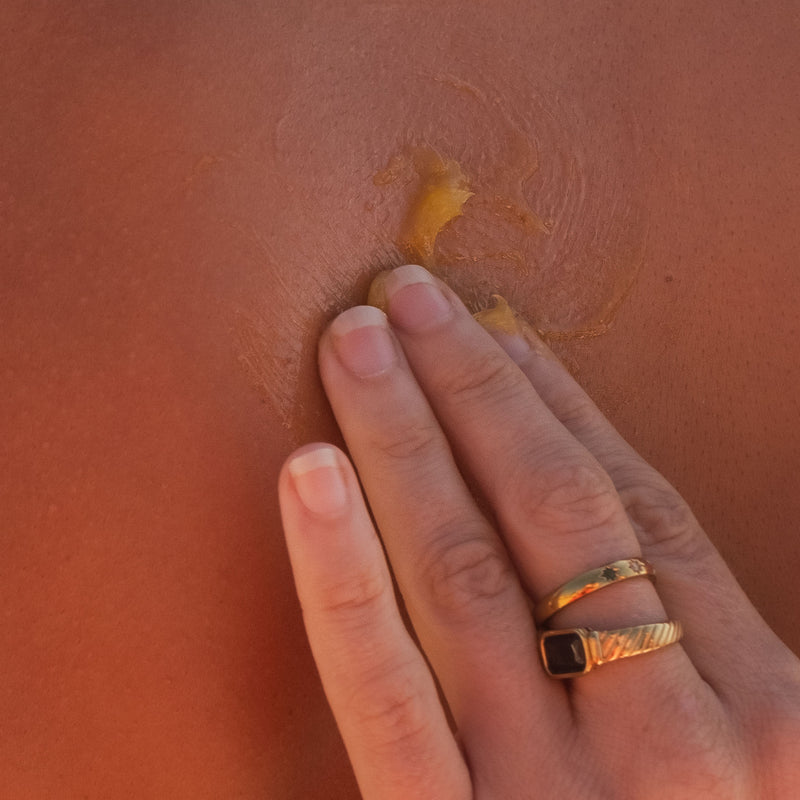
Mānuka honey helps support stressed and compromised skin. Rich in antioxidants and anti-inflammatory compounds, it helps calm visible redness and discomfort. Research suggests that mānuka honey can modulate inflammatory responses in dry, sensitive, or reactive skin types. The result is skin that looks calmer and is more resilient against environmental stressors.

Breakout Disrupting

Ultra Hydrating

Anti-Inflammatory

Close-up of a jar with mānuka honey on a plain background

Not all honey is created equal.

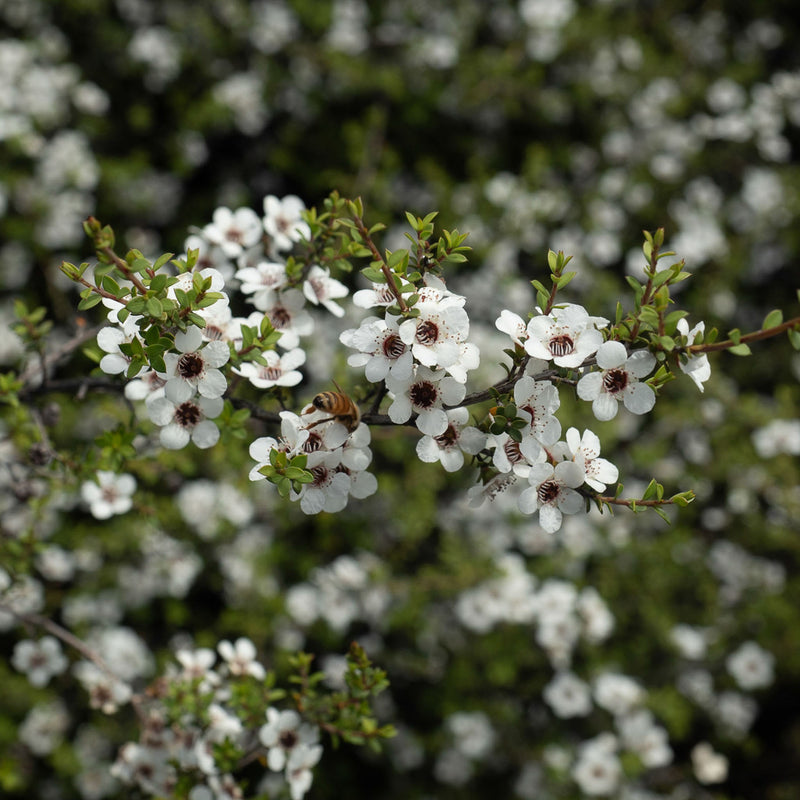
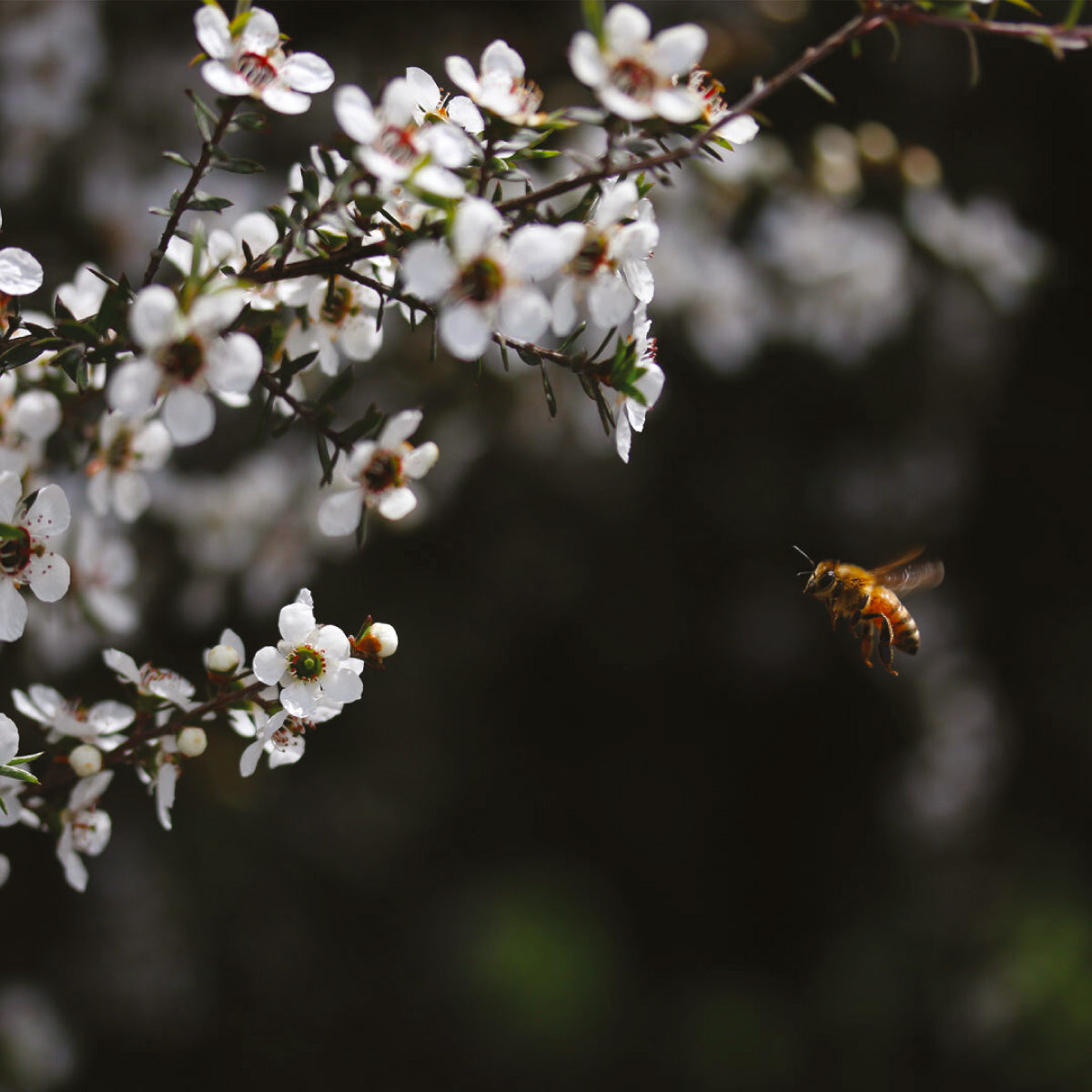
Mānuka honey comes from the nectar of the mānuka tree (Leptospermum scoparium), a flowering plant native to New Zealand that thrives in remote coastal and volcanic regions. The tree blooms for just two to six weeks each year, and beekeepers must time hive placement precisely to capture the nectar during that narrow window. What makes mānuka honey different from conventional honey is its unusually high concentration of methylglyoxal (MGO), the compound responsible for its bioactive properties. Research published in Foods found that mānuka trees growing in less fertile soils produce nectar with higher levels of dihydroxyacetone (DHA), the precursor to MGO. Harsher growing conditions actually contribute to more therapeutically active honey. Every Apo.Ge formula starts with MGO 510+ mānuka honey sourced directly from New Zealand.

From New Zealand to your skin.

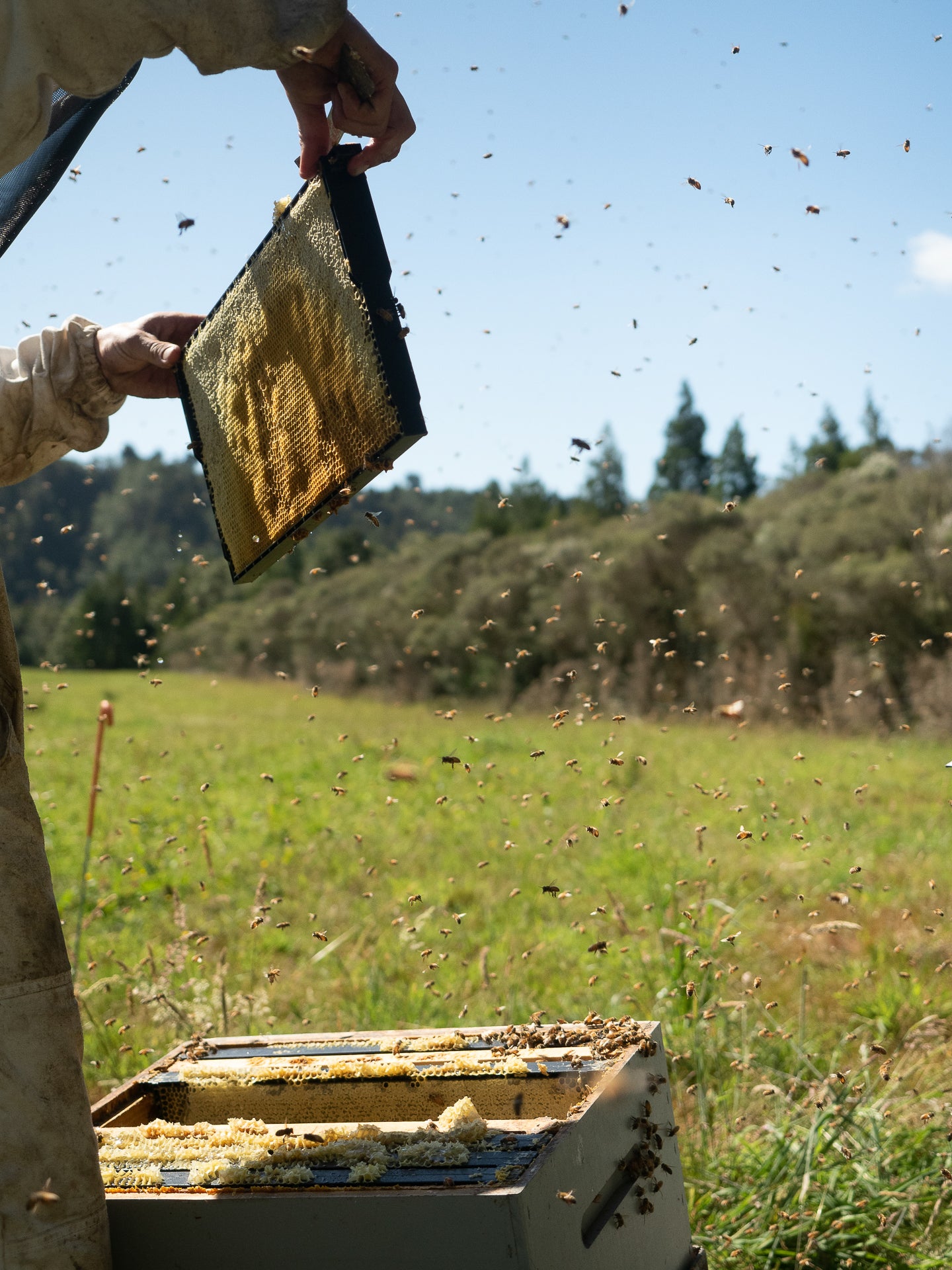
We source our honey directly from small, Māori-owned and operated apiaries in New Zealand. Every batch of mānuka honey is tested for MGO content and authenticity before it enters Apo.Ge formulations.

Hand holding a jar of apo ge manuka honey skincare botanical relief balm with a focus on the product.

MGO & UMF Explained

Both MGO and UMF are trusted mānuka grading systems. MGO measures the amount of methylglyoxal in the honey. This is the compound responsible for mānuka honey's pronounced antibacterial activity and the primary marker used to determine its medicinal grade. UMF is a broader test that measures leptosperin, MGO, DHA, and HMF together. Both ratings are independently certified to confirm the honey is of the highest standard, originates in New Zealand, and has not been tampered with.

We use mānuka honey with a rating of 510+ MGO/UMF 15+. Most skincare products that include honey use food-grade or cosmetic-grade honey at concentrations of 1 to 3%. . At 510+, ours sits in the medicinal grade range, well above the clinical threshold where antibacterial properties become measurable. That concentration is what makes the antibacterial, antioxidant, and anti-inflammatory properties strong enough to support real results on your skin.

Every Apo.Ge product starts with mānuka.

Common questions about mānuka honey in skincare.

How do I know if my mānuka honey is real?

Authentic mānuka honey is verified through independent lab testing that measures MGO content, DHA levels, and leptosperin, a marker compound unique to mānuka nectar. New Zealand's Ministry for Primary Industries (MPI) requires scientific testing before any honey can be labeled and exported as mānuka. The most reliable indicator is a UMF certification from the UMF Honey Association, which tests for all three markers and audits producers for quality control. Products that list only an MGO number without independent certification may not have been verified by a third party. Apo.Ge sources UMF 15+ certified mānuka honey directly from New Zealand beekeepers. Every batch is tested and traceable.

Can mānuka honey help with acne?

Yes. Mānuka honey inhibits Cutibacterium acnes, the bacteria most commonly linked to breakouts. It also reduces inflammation and supports skin barrier repair. Those three mechanisms are directly relevant to acne. Unlike harsh treatments that strip or dry your skin, mānuka honey keeps the microbiome intact. It works best as part of a consistent routine, not as a standalone spot treatment.

Does mānuka honey clog pores?

No. Honey has a comedogenic rating of 0-1, meaning it's very unlikely to clog pores. Mānuka honey in particular is well-tolerated by acne-prone skin because it's antibacterial and anti-inflammatory. In our formulas, it's combined with lightweight carriers like hemp seed oil and jojoba oil that absorb cleanly.

What's the difference between regular honey and mānuka honey?

Regular honey has minimal antimicrobial activity. Mānuka honey contains high concentrations of methylglyoxal (MGO), a compound found almost exclusively in honey from the New Zealand mānuka bush. The higher the MGO rating, the stronger the properties. We use 510+ MGO, which is medicinal grade.

Is mānuka honey safe for sensitive skin?

Yes. Mānuka honey is naturally gentle. It supports skin barrier function and hydration rather than stripping or irritating. Our Sensitive Skin Relief Set is specifically designed for reactive, easily irritated skin. We also offer fragrance-free versions of most products.

Can mānuka honey help with eczema?

A clinical trial on eczema-prone skin found that topical application of mānuka honey led to measurable improvement in skin condition. Researchers attributed this to its antimicrobial, anti-inflammatory, and barrier-supporting properties. It supports the skin barrier without stripping or irritating, which is critical for eczema management. Our Sensitive Skin Relief Set was designed specifically for reactive, easily irritated skin, including eczema. The fragrance-free versions minimize the risk of triggering flare-ups.

Does mānuka honey help with rosacea?

Mānuka honey is naturally anti-inflammatory, which is why many people with rosacea-prone skin reach for it. It soothes redness and supports barrier function without the irritation that comes from many conventional active ingredients. If your skin is reactive, start with our Sensitive Skin Relief Set in the fragrance-free option.

Do all Apo.Ge products contain mānuka honey?

Most do, but not all. Our Face Cream, Milk Cleanse, Vitality Serum, Lip Butter, and soap bars are all formulated with mānuka honey. Our Renewing Night Elixir and Botanical Relief Balm use mānuka oil instead. Mānuka oil comes from the same plant and shares the same antibacterial and anti-inflammatory properties.